

Summary
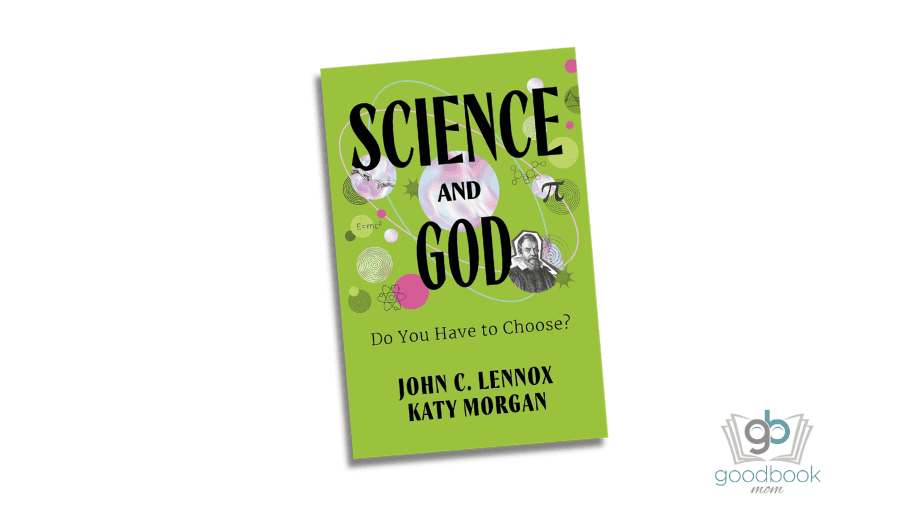
In this book the authors tackle the questions: are the ideas of Science and God incompatible? Can you really believe in both at the same time? They start the book saying that in reality, scientists and religious people have a lot in common. They both want to know the truth about the universe. They’re both curious about the mysteries of how this world works and how it began. They’re both full of wonder at the world around them and excited to find out about it.
The authors write in a conversational tone that is an invitation to both believers and non-believers, laying out the ideas and arguments for how you can be both a Christian and a scientist. There are stories about real scientists and scientific facts woven throughout the book.
They explore a range of topics, including the ways science itself involves aspects of faith, why the Bible isn’t a science textbook, and how some parts of the Bible are written poetically. They also look at some of the evidence for Jesus’ resurrection and provide clarity around some of the more difficult questions that come up when thinking about science and Christianity.
This book leads the reader through carefully constructed logical arguments on the different topics. At the end of each chapter there is an “In Short” summary of the key ideas.
Reading Level: Ages 7-10 (but might be a bit beyond target age)
Read Aloud Age: 10+
Mom Thoughts
I would highly recommend all young people to read this book. It does not claim to have all the answers, but it encourages readers to think carefully and logically on topics related to apologetics in the science field. As I read it, I thought it was a great example of 1 Peter 3v15: “But in your hearts revere Christ as Lord. Always be prepared to give an answer to everyone who asks you to give the reason for the hope that you have. But do this with gentleness and respect…” The authors are thoughtful in their wording, and encourage the reader to do research for themselves and to think critically. We are encouraged to examine what we have been told or believed in the past. Does it hold up with what science shows? Does it hold up to what the Bible teaches? The bible is used carefully, and I did not feel that any of it was taken out of context.
When they use words like “heresy” and “atheist” they also provide explanations for what those words mean. It felt approachable for the average reader, as it was not full of specialized language, while also not making the ideas too simplified. One of my key take-aways was the idea that though science is an important way to find out about the world we live in, it is also limited, because it can’t answer those bigger questions that we all ask – How did everything begin? What are we all here for? What is the point of living? We need science, but science isn’t all we need to find out the truth about the world.
I would recommend you find some other resources to teach your children about the origins of the world, if you haven’t already, to go along with this book. For example, Answers in Genesis and Reasons to Believe, to explore some of the cases for differing worldviews between bible-believing Christians in regard to Young-Earth and Old-Earth Creationism, Theistic Evolution and Intelligent Design. In this book this topic is touched on, but not delved into in any depth and may leave readers with questions about some of their foundational worldviews.
The authors point out some important fallacies we don’t want to fall into when trying to argue for our belief in God, and then give some good evidence for a Creator God, and finally the gospel is presented and an opportunity to get to know Jesus for ourselves is encouraged. Overall, this book helps young readers see that believing in God can be a rational and thoroughly reasonable way of understanding the evidence that science shows us.
This review is written by Good Book Mom contributor, Sarita Betschart. To learn more about Sarita, click HERE.
This post may contain affiliate links. Please read our disclaimer for more info.
Buy This Book
At A Glance
| Number of Pages | Number of Chapters |
|---|---|
| 128 | 8 |