

Summary
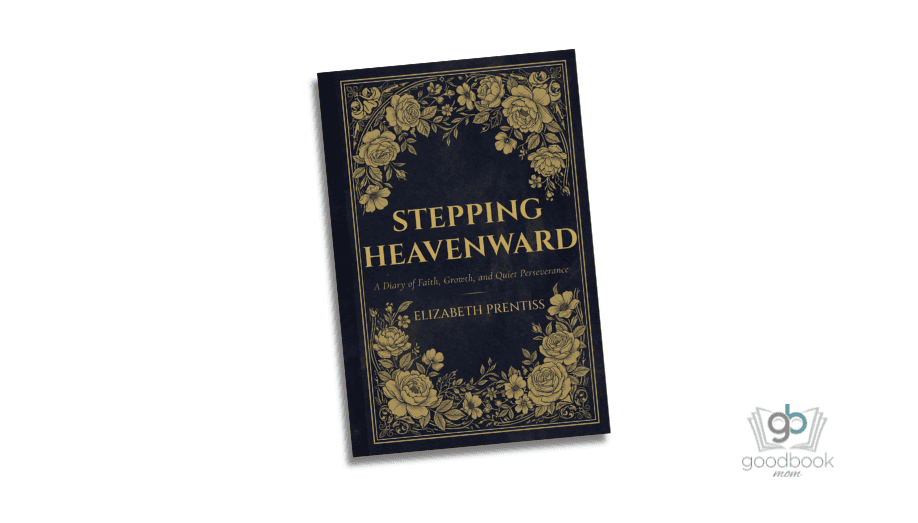
Katherine (Katy) Mortimer has just turned sixteen in the January of 1831. She is starting a personal journal to catalogue her life experiences in the hopes that it may lead to improvements of her character and maturity.
As Katy writes about everyday life, she details tense conversations with her mother, jealousy with friends, and theological conversations that she can never seem to fully understand. She longs for each day to be different from the last and that she could somehow learn to behave and not be so dramatic. She desires to be perfect and compares herself to others that seem to be better Christ followers than herself.
Katy continues to write through the teenage and adult years, eventually getting married, and having children of her own. As she grows in age, she also grows in maturity in what it means to serve others. She slowly begins to understand more about the Bible, salvation, and what it means to follow Christ and devote herself to Him.
Through the experience of joy, sorrow, loss, grief, doubt of faith, and peace, Katy reflects on how each celebration and trial has brought her closer to her Savior. She comes to understand that all she has, or has lost, is because of God’s divine plan that was always for her good and His glory.
Reading Level: Ages 13-18
Read-aloud Age: 13+
Mom Thoughts
While this story was written over 150 years ago, Elizabeth Prentiss’s words are still relatable to readers today. Many teenagers can see themselves in the angst that Katy feels as she struggles with relationships, loss, and how to make sense of where she fits in the world and the truth of Christ.
Katy’s behavior in her teen years is portrayed as overtly dramatic and childish and it can be easy, as the reader, to dislike her. She throws tantrums, is immature about who she wants to marry, and is not interested in listening to her mother’s advice. Her mother, in turn, can be very critical of Katy, which creates more animosity between them. The overall tone of the early part of her journal is that everyone (including God) is against her, and she must work harder to be good.
Katy’s demeanor seems to change a bit as she ages. In her early 20s, she settles into more of a simmering state of emotions, but she is still focused mostly on herself. She begins to help care for sick and elderly members of the community but dislikes the process entirely. It is in moments of serving others and seeing suffering and death firsthand, that she begins to understand more about God and what it truly means to deny herself and choose a life devoted to Christ. She begins to see that salvation was not something she could have done for herself, but that it was a gift freely given. She then delights in being saved by grace through faith and desires to share with others about what Christ has done for them, if only they will repent and believe.
Katy eventually gets married but wants to be able to speak however she likes towards her husband and to run the household without input from others. She is still prone to emotional outbursts when she does not get her way. She fights with her in-laws that live with her and her behavior can still be erratic as she struggles to understand God. This is when Katy starts to mature overall. She learns to give all she has to God and enjoy her life. Although she has begun to understand the gift of grace, she continues to face feelings of jealousy, pride, and poor health. These tempt her reliance on God, and she questions if she has fully surrendered to Him.
As Katy comes to the end of her life, and her ability to write in her journal, it seems the goal she had on her sixteenth birthday has been accomplished, but not in the way she originally had planned. She finally understands that it was the Lord that refined her character and opened her eyes to what it means to “know God and enjoy Him forever” as her mother used to say. It was through trials and life struggles that she was able to understand God’s mercy and forgiveness for repentant sinners. It was not through her own works, but by His grace that He was sanctifying her as she was Stepping Heavenward. I really enjoyed this book and was encouraged by the spiritual truths it shared. I believe it will also resonate with young adults as they relate to Katy’s teenage years, and that it will inspire them to see what it means to let go of control and trust God.
Language:
While there is no bad language in the book, there are words and terms used differently in the past that sound strange to the modern reader. “Gay” and “queer” are used to mean “happy” or “odd.” Katy also describes her love for a friend and that they are “intimate” together. This does not mean a romantic intimacy, but rather a deep friendship.
There is a reference from one of Katy’s friend’s that she would like to be “rich as a Jew,” which could be considered a stereotype and offensive.
Questionable Behaviors:
Katy shows arrogance and immaturity when throwing tantrums or yelling when she does not get her way. She is prone to dramatic responses when others oppose her and often blames God when she lacks self-control.
Sexual Content:
Katy’s friend, Amelia, tells Katy that her husband has “stepped out” on her with other women for their entire marriage and not been faithful to her. This elusion to adultery is the only mention of intimacy in the book.
Other Things to Know:
While there are no graphic details, there are multiple instances of long suffering and death that include both children and adults. In one instance, a woman is crying out for Katy to pray for her soul as she is dying.
Because this book contains claims about Christ and His nature, there are moments where the theology can seem vague or confusing. It isn’t until nearly the middle of the book, that there is a clear statement that one must repent and believe in Christ and that salvation is given by grace through faith. This may also be part of the author’s purpose as Katy herself matures in understanding more about salvation.
The book does not specify that it is essential to believe in Christ’s resurrection but that one should “give themselves” to the Lord and repent. There is little scripture referenced in the book with most claims presented through hymn lyrics and catechism phrases such as Katy’s mother asserting that one’s main goal is to “know God and enjoy Him forever.” This is not necessarily a detraction as biblical themes of Scripture are presented but may lead to a need for further clarification of Scripture and conversation with a young reader about what it means to be saved by Christ.
This review was written by Good Book Mom contributor, Melissa. To find out more about Melissa, click HERE.
This post may contain affiliate links. Please read our disclaimer for more info.
Buy This Book
At A Glance
| Number of Pages | Number of Chapters |
|---|---|
| 276 | 27 |